Metal Cases
Metal cases with reflective surfaces are commonly found in consumer electronics, automotive parts, and industrial components. However, their highly reflective properties and three-dimensional shapes pose significant challenges for automated inspection, quality control, and even recognition tasks in computer vision. This article delves into these challenges and explores solutions using deep learning and computer vision techniques.
Understanding the Challenges with Reflective Metal Cases
Reflective metal surfaces make tasks such as defect detection, feature extraction, and object identification difficult. Key challenges include:
-
Reflection and Glare:
Highly polished metal surfaces reflect light intensely, which leads to glare and hot spots. These reflections obscure surface details, making it hard for cameras to capture an accurate image. -
Complex 3D Geometry:
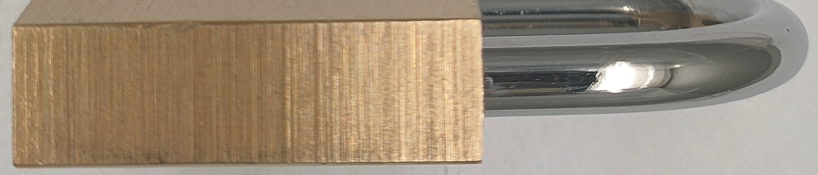
Metal cases often have irregular 3D shapes with curves and angles that cause light to reflect in unpredictable directions. Each surface angle can produce a unique reflective behavior, adding complexity to image analysis. -
Lighting Variability:
The way light interacts with a reflective metal surface depends on the object’s position, the light source’s position, and the environment. Achieving consistent lighting is challenging, especially when using fixed lighting setups in manufacturing. - Surface Variability:
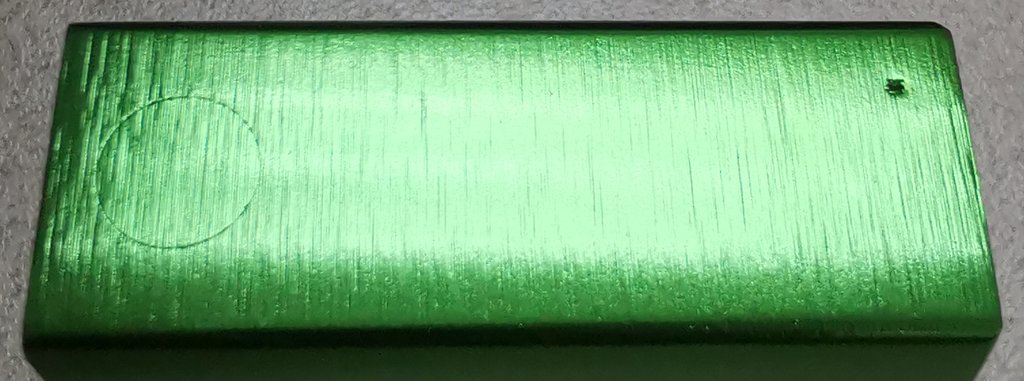
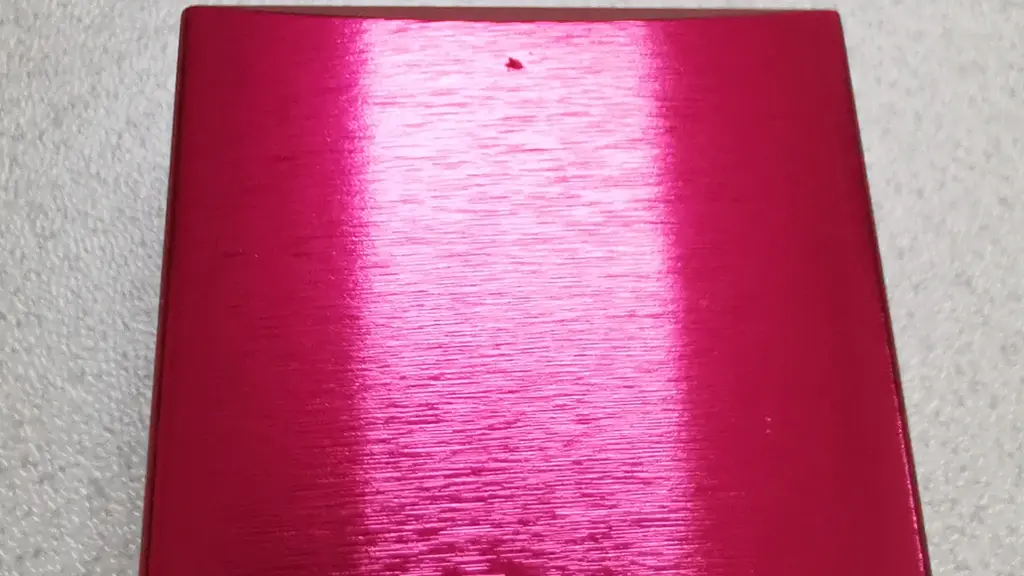
Metal cases may have different finishes—polished, brushed, or anodized—each reflecting light uniquely. For instance, a brushed metal finish diffuses light more than a polished one, creating varied reflection patterns across the same object.
These challenges can lead to poor image quality, which in turn affects downstream tasks in computer vision, such as defect detection, dimensional measurement, and part recognition.
Some examples for surface reflections are shown below.
examples
|
|
|
|
|
|



Addressing Challenges with Computer Vision and Deep Learning
Deep learning and computer vision have evolved to offer effective ways of handling the challenges posed by reflective metal cases. By integrating intelligent algorithms with customized lighting setups and hardware, we can greatly improve image quality and analysis.
A.Lighting Optimization Techniques
Careful control over lighting can mitigate reflection issues and improve image acquisition for reflective surfaces. Some
effective lighting methods include:
-
Polarized Lighting:
Polarized light helps in filtering out specular reflections. A polarized filter can be placed over both the light source and the camera lens, reducing glare by allowing only light waves aligned with the filter to pass through. This method is particularly useful for surfaces that need to be free of hotspots. - Dome Lighting:
Dome lighting, also called diffuse lighting, is achieved by placing the metal case under a light dome that provides uniform, indirect lighting. This setup minimizes sharp reflections and provides consistent illumination across the entire surface, making it easier to capture images without glare. - Multi-Angle Lighting Setup:
Placing multiple light sources around the object at strategic angles can help reduce reflection intensity by balancing it across various surfaces. This approach is particularly helpful when the object has multiple surface angles that would otherwise reflect light unevenly
B. Camera and Sensor Adjustments
Adjustments in camera settings can also play a crucial role in capturing high-quality images of reflective metal objects.
-
High Dynamic Range (HDR) Imaging:
HDR imaging involves capturing multiple exposures and combining them to generate a balanced image. This technique can reveal surface details that might otherwise be hidden by reflections, allowing for clearer analysis. - Structured Light Scanning:
For applications that require 3D surface mapping, structured light scanning uses projected light patterns to measure surface geometry, rather than relying on reflected light alone. This approach captures depth information by analyzing distortions in the light pattern, producing more reliable data for reflective surfaces.
C. Role of the Rotary Table in Reflective Surface Inspection
For objects like metal locks or cases, a rotary table provides a controlled way to capture images from multiple angles. This setup allows consistent, comprehensive imaging by rotating the object incrementally, enabling the system to capture varied perspectives for better surface analysis and defect detection. By capturing the object’s entire 3D geometry, a rotary table helps mitigate issues related to irregular reflections and complex surface shapes.
Workflow for Inspecting Reflective Metal Cases
- Setup: Optimize lighting and adjust camera settings to minimize reflections.
- Image Capture: Use a rotary table to capture images from different angles.
- Feature Extraction: Use segmentation and recognition models for analysis.
- Validation: Use multi-angle images and depth maps to ensure accuracy.
Conclusion
Reflective metal cases present unique challenges, but with careful lighting control, camera adjustments, and advanced
computer vision algorithms, they can be effectively inspected and analyzed. Leveraging deep learning techniques such
as image segmentation, data augmentation, and reflection removal, manufacturers can enhance quality control
processes, reduce inspection time, and ensure the reliability of metal products in industries from electronics to
automotive. By addressing reflection issues with smart setups and adaptable deep learning models, the industry is
moving closer to fully automated, reliable quality inspection systems that maintain accuracy across a variety of
challenging surfaces.
if you want to know more about Metal Cases in Computer Vision and Deep Learning, please contact
info@wisiotech.com for more information!